The Not-So-Silly Goose
by Karen Whiting on Oct 03, 2026
If you’ve ever been by a pond or lake, you’ve probably seen a Canada goose. But don’t be confused by their name—these geese have settled around the globe. You can spot these fine-feathered friends everywhere from lakes and ponds to golf courses and parking lots. In the fall, you can find them flying in formation over your head.
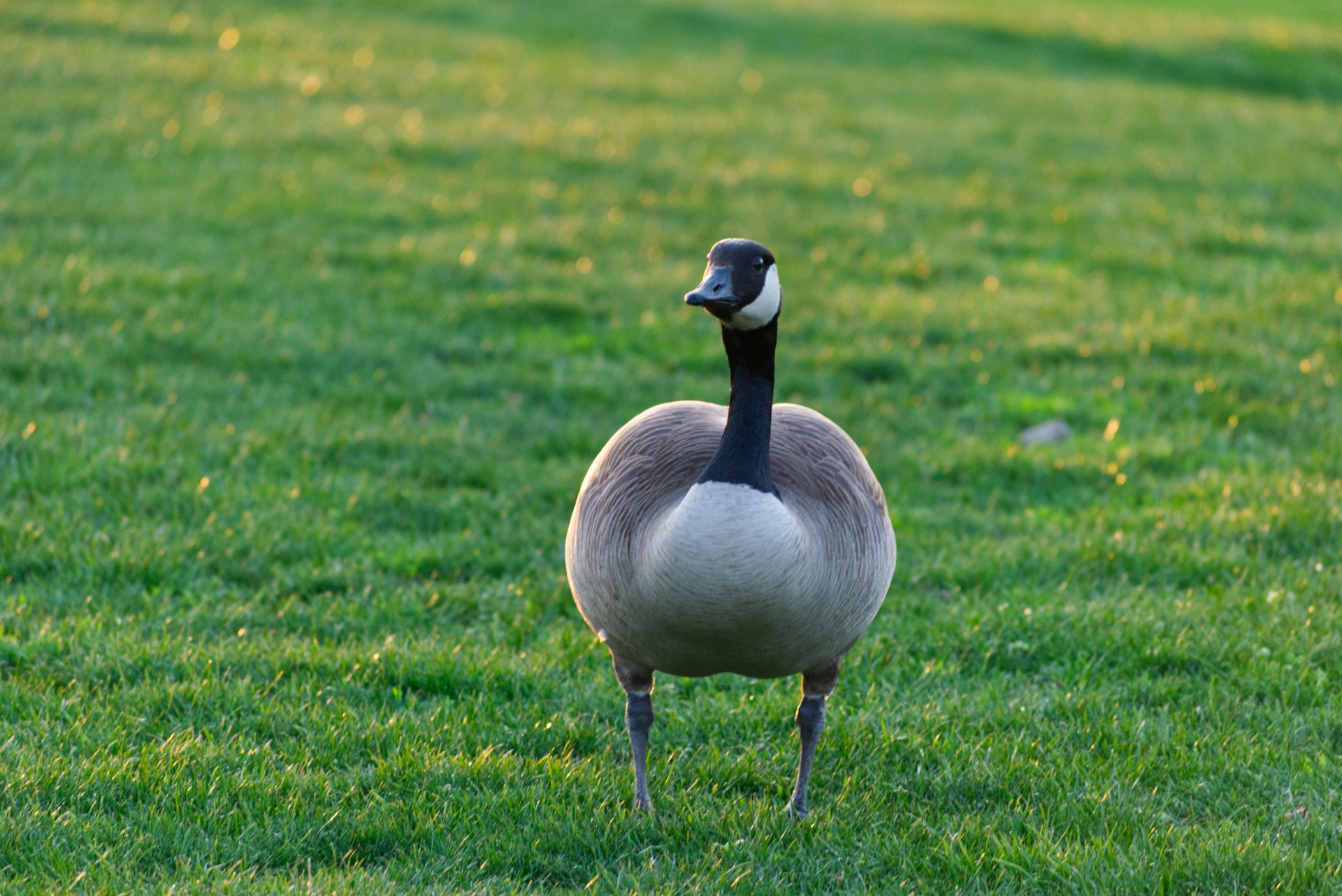
Photo by Anastasiya Dalenka on Unsplash
Don’t Feed the Birds
Canada geese like to forage (search) for food. Though they sometimes eat fish and insects, they are primarily herbivores (hur-buh-vawrs). They munch on grass, cabbage leaves, berries, seeds, and grains—especially corn on the cob. Geese can’t digest bread well, so avoid feeding them while you enjoy a visit to the water.
Canada geese are part of the Anatidae (uh-NA-tuh-day) kind, which includes waterfowl like swans, ducks, and other geese. God created the Anatidae kind on day five of creation, about 6,000 years ago, with all other flying creatures.
Canada geese were designed by God with special features to help them navigate their long migration south each fall.
The Flying V
Every fall, some Canada geese in North America migrate south to beat the icy chill of northern winters. On their long journey, they soar over their homes in a V formation. When the goose leading the V gets tired from fighting against wind currents, a goose from the back glides forward to take the lead.
She and the other geese close behind flap their mighty wings, creating an uplift wind. Uplift wind may give the birds a greater flying range with less effort. Tired geese glide on these winds, getting some rest until it’s their turn up front again.
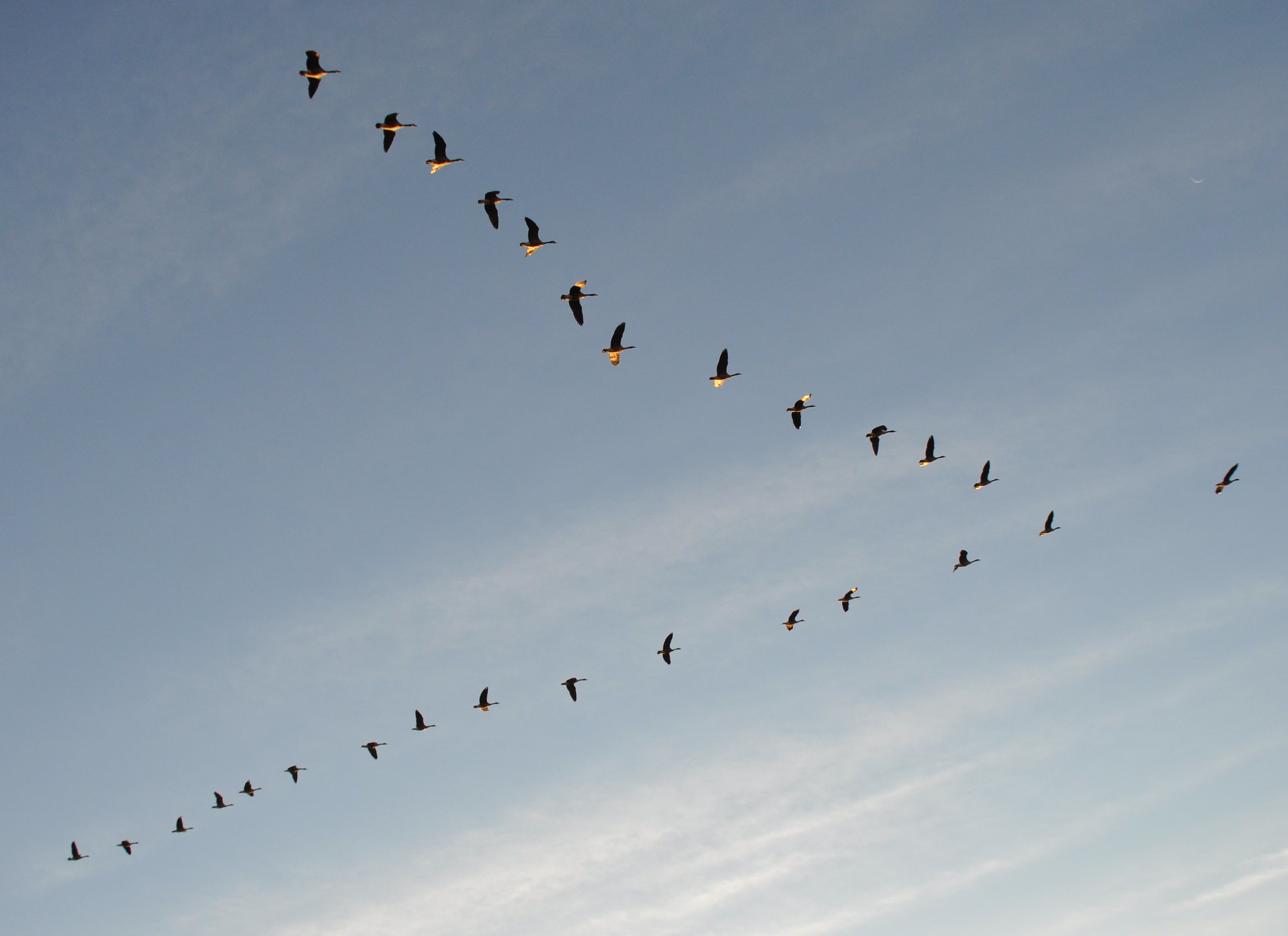
Photo by bobosh_t, CC BY-SA 2.0, via Flickr
Like cars in a traffic jam, these long-necked birds honk back and forth. But they aren’t angry. They’re communicating with the group, helping everyone stay in the V formation. The V formation helps them save energy for their long migration—anywhere from a few hundred to several thousand miles. They’ll stop somewhere in the southern US or Mexico, where they’ll find more food in the winter months. In the spring, they’ll embark on their return trip north.
A Goose by Other Names
Groups of geese have different names. When they’re flying in V formation, they’re called a wedge. When they’re flying in a loose pattern, they’re called a team or skein (SKAYN). On the ground, they’re called a gaggle. In water or close together, they’re called a plump!
A male goose is called a gander, and a female goose is called a goose.
Baby geese are called goslings. Goslings hatched from the same nest, or clutch, are called a brood.
Birds of a Feather
Canada geese are covered in up to 25,000 feathers. Not all of them are the same, but each one plays an important role in helping the geese reach their destination.
Their long flight feathers are strong and stiff, perfectly suited for flying long distances. Their tail feathers form a fan-like shape that helps them steer and stay steady in flight. Canada geese also have a thick layer of downy feathers beneath their outer feathers that provide insulation while they flap through the chilly air.
The geese also secrete an oily substance from a gland near their tails that coats their outer feathers, making them waterproof. This oily covering allows them to float in cool water without freezing.
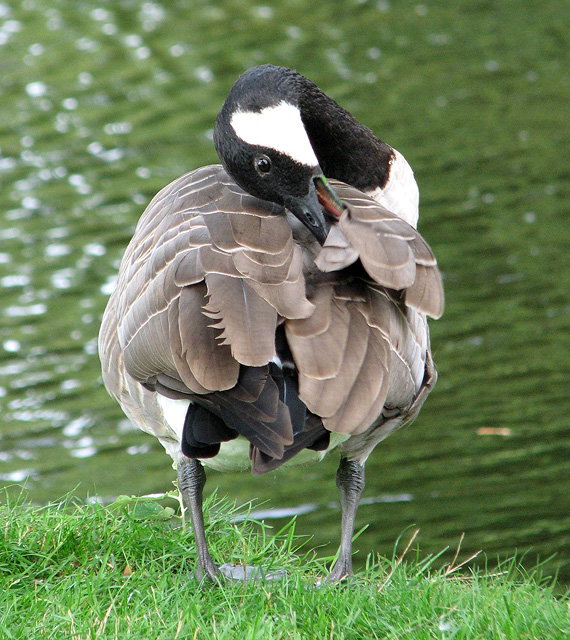
A goose preening its feathers by Evelyn Simak, CC BY-SA 2.0, via Wikimedia Commons
Bird’s Eye View
Canada geese have eyes on the sides of their heads, allowing them to see almost 360º up, down, and sideways without turning their heads. That’s a helpful feature for keeping an eye out for predators like coyotes or bald eagles.
Did you know geese sleep with one eye open? When they get sleepy, Canada geese can shut down one half of their brain so one eye stays watchful while the other half of the brain sleeps.
Unlike humans, they can see ultraviolet light waves. That means that they can see four primary colors instead of just three—that’s a lot of colors! Their special color vision helps them find food, spot predators, and distinguish their babies from others in a group.
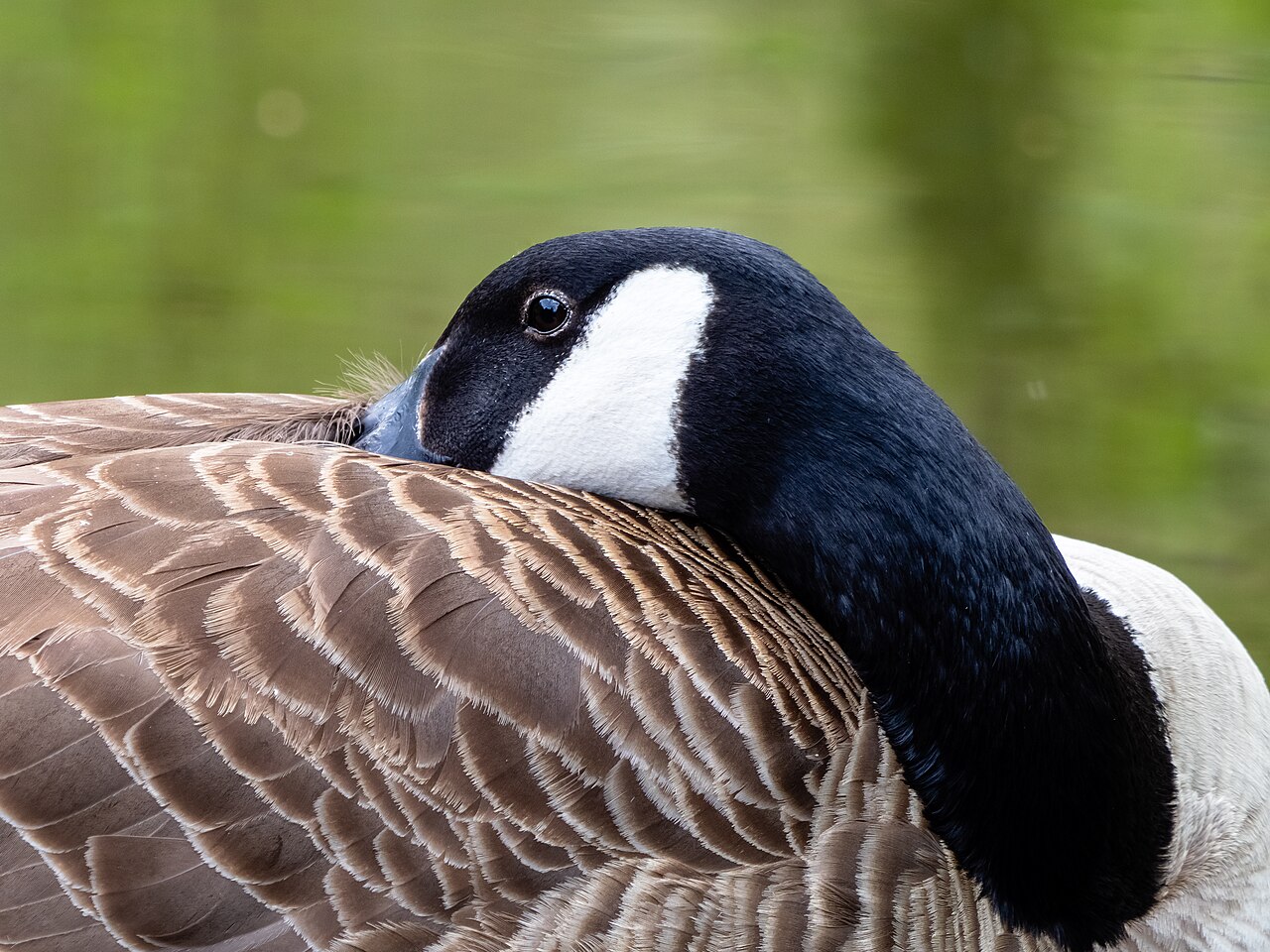
Reinhold Möller, CC BY-SA 4.0, via Wikimedia Commons
Father and Mother Goose Know Best
Canada geese choose their mates carefully because they often mate for life. To attract a female, a gander (male) will put on a head-bobbing, wing-flapping, and honking show.
After mating, the mother goose will build her nest on a mound and add soft downy feathers to lay her eggs in. She and the father goose take turns incubating the eggs and guarding the nest. If anything comes too close, the goose on guard will lift its wings and rush at the threat, hissing, honking, and even biting.
A newly hatched gosling will bond with the first moving thing it sees, so the father and mother goose stay close by their nest. After the goslings hatch, both parents work hard to protect their brood and raise them into strong flyers ready for the next winter.
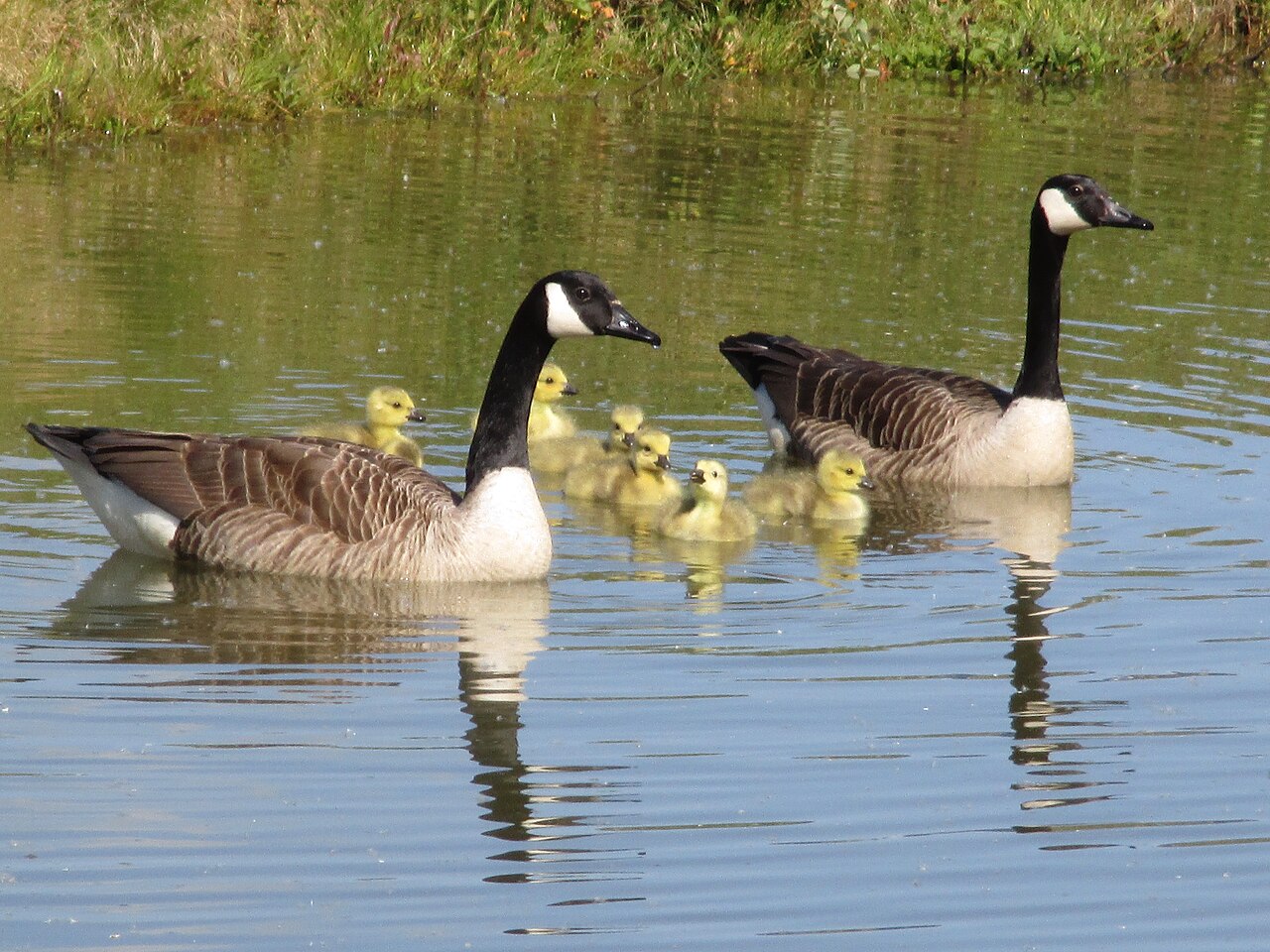
Antiquary, CC BY 4.0, via Wikimedia Commons
Ask the Birds
As Canada geese make their long journeys each fall and spring, they showcase God’s care for the birds of the air. When the seasons change, remember what Jesus said in Matthew 6:26: “Look at the birds of the air, that they do not sow, nor reap nor gather into barns, and yet your heavenly Father feeds them. Are you not worth much more than they?”
Fun Facts
- The tip of a goose’s bill can detect movement and pressure changes in soil and water, which helps them locate food.
- Babies, called goslings, communicate before hatching. The noises they make are called “pipping.”
- Canada geese are often incorrectly called “Canadian” geese.
- Canada geese can mate with other birds in the goose kind. When a goose mates with a swan, the offspring is called a “swoose.”
Read More Articles
Galápagos Penguins: History and Fun Facts
